
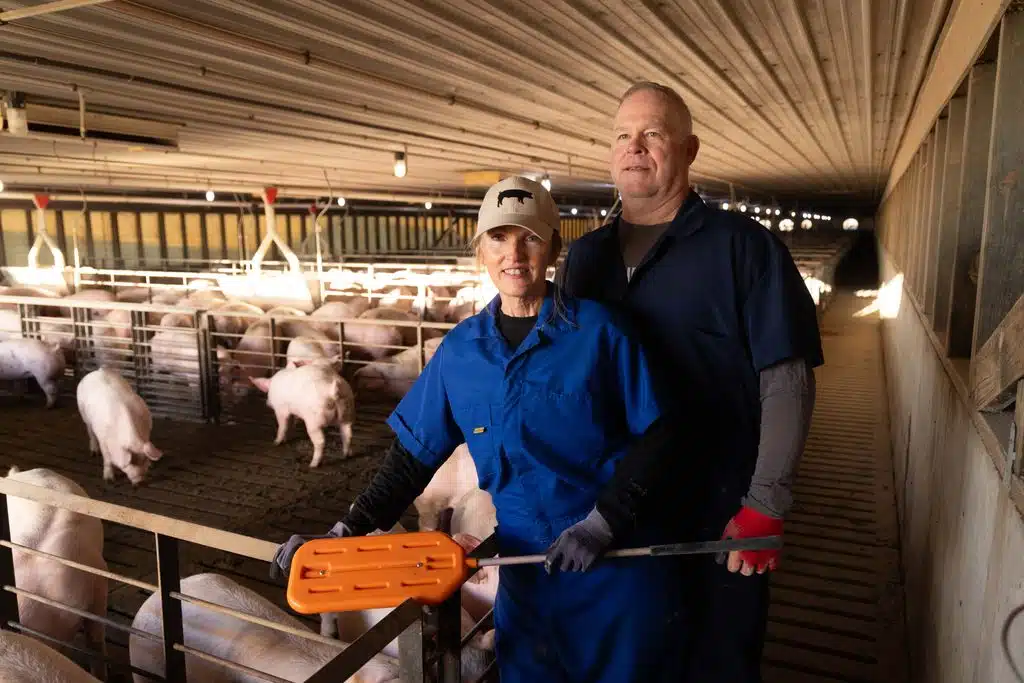
As we celebrate National Pork Month this October, it’s the perfect time to honor the resilience of our industry and look strategically toward the future. For modern swine producers, evaluating facility infrastructure has become a high-stakes financial puzzle. The transition into fall represents a critical planning window before the winter freeze, forcing many to look closely at their operations.
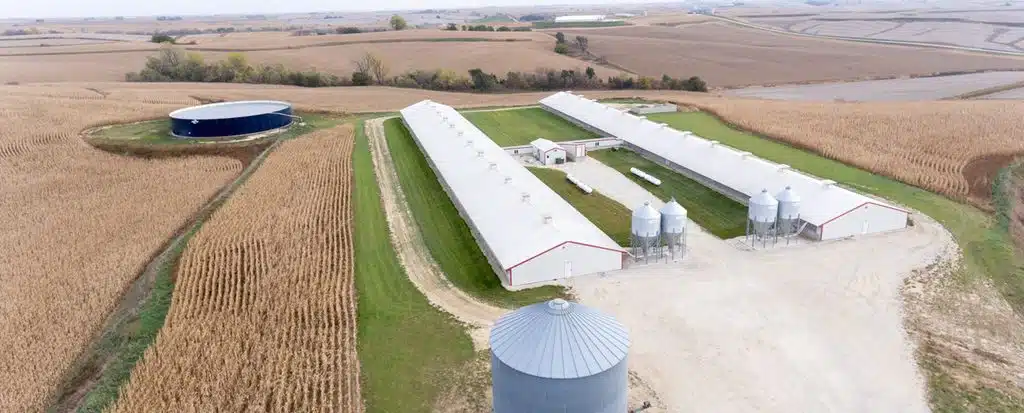
Financial Breakdown of a 2,400-Head Swine Finisher
The average U.S. hog barn is now roughly 25years old, meaning major structural components like concrete slats, feeding lines, and ventilation systems are reaching the end of their functional lifespans.
At the same time, building costs and interest rates remainhistorically high. Today, constructing a standard 2,400-head wean-to-finish barn approaches a total investment of $1,000,000, compared to roughly $600,000 fifteen years ago.With integrators slowing down new expansions, independent producers and contract growers are looking inward—asking whether it makes more financial sense to systematically retrofit an aging barn or make the decision on a brand-new build.
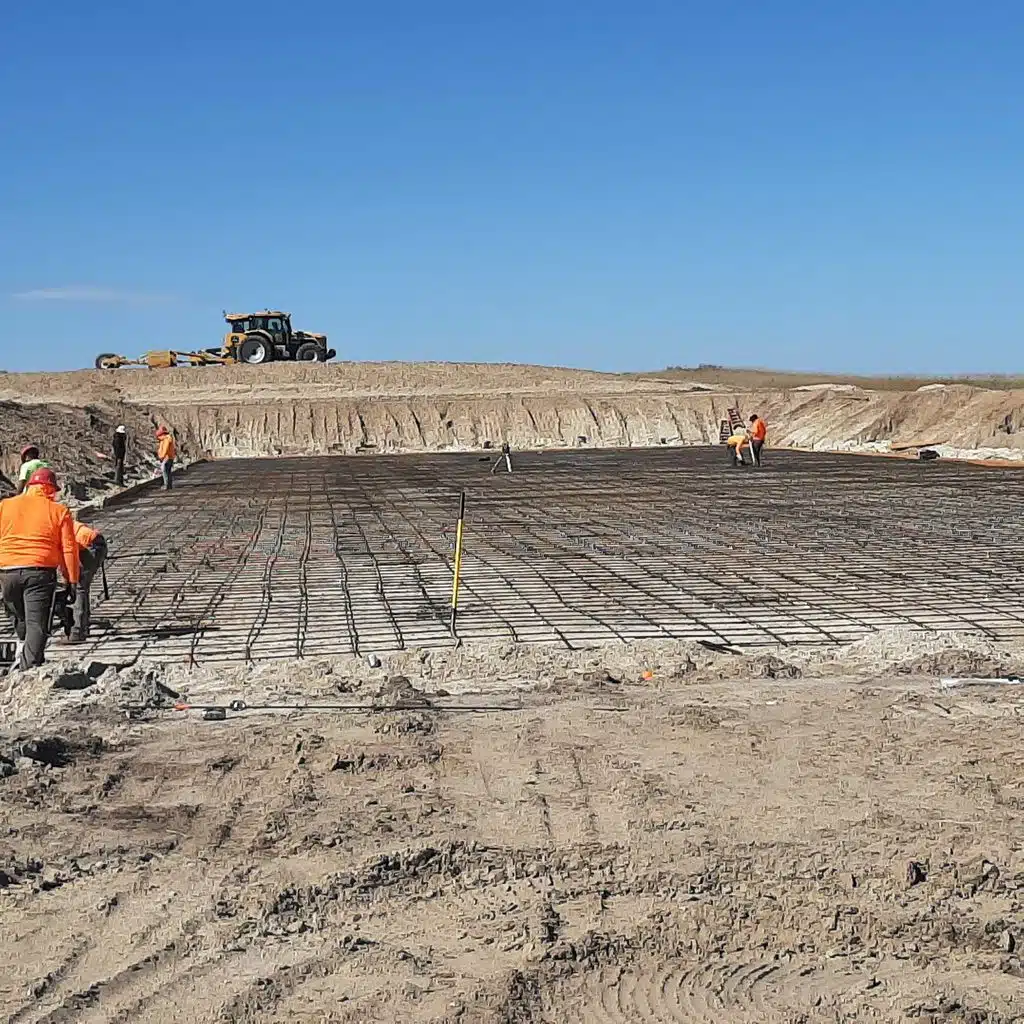
Entering the Market: Why Now is a Strategic Time to Decide
For those looking at the swine industry from the outside—or crop farmers considering diversification—jumping into production right now might seem daunting. However, taking a closer look at the broader macro-economics of agriculture reveals that this is actually one of the most strategic entry points in recent years.
Several industry realities favor entering or expanding in the market today:
- A “Built-In” Supply Cap: The U.S. swine breeding herd has compressed significantly, reaching its smallest size in over a decade. Because existing producers are highly hesitant to expand or take on high-interest debt for new builds, the industry faces a natural constraint on supply, protecting new producers from market crashes caused by over-expansion.
- The Power of the Manure Asset: In a high-cost crop environment, a 2,400-head swine barn is essentially a fertilizer plant. The nitrogen, phosphorus, and potassium generated can cleanly offset tens of thousands of dollars in commercial fertilizer costs on surrounding crop acres.
- Competing Protein Dynamics: The U.S. beef herd has shrunk to historic lows, pushing retail beef prices to record highs. As beef remains expensive, domestic consumers and international export markets are increasingly shifting baseline protein demand toward pork.
- Robust Government-Backed Risk Management: New producers can immediately leverage USDA risk management programs like Livestock Risk Protection (LRP-Swine) and Livestock Gross Margin (LGM-Swine). These subsidized programs act as insurance policies, locking in floor prices and protecting gross margins against sudden feed hikes or market dips.
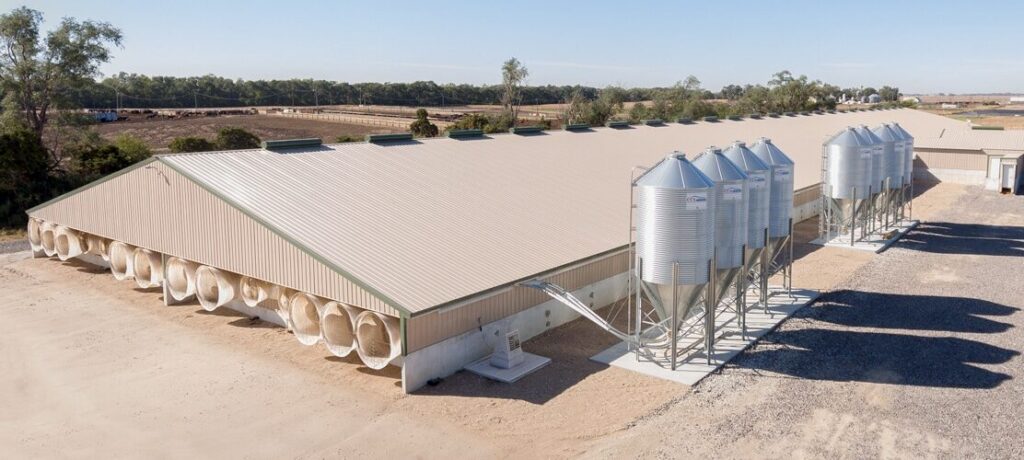
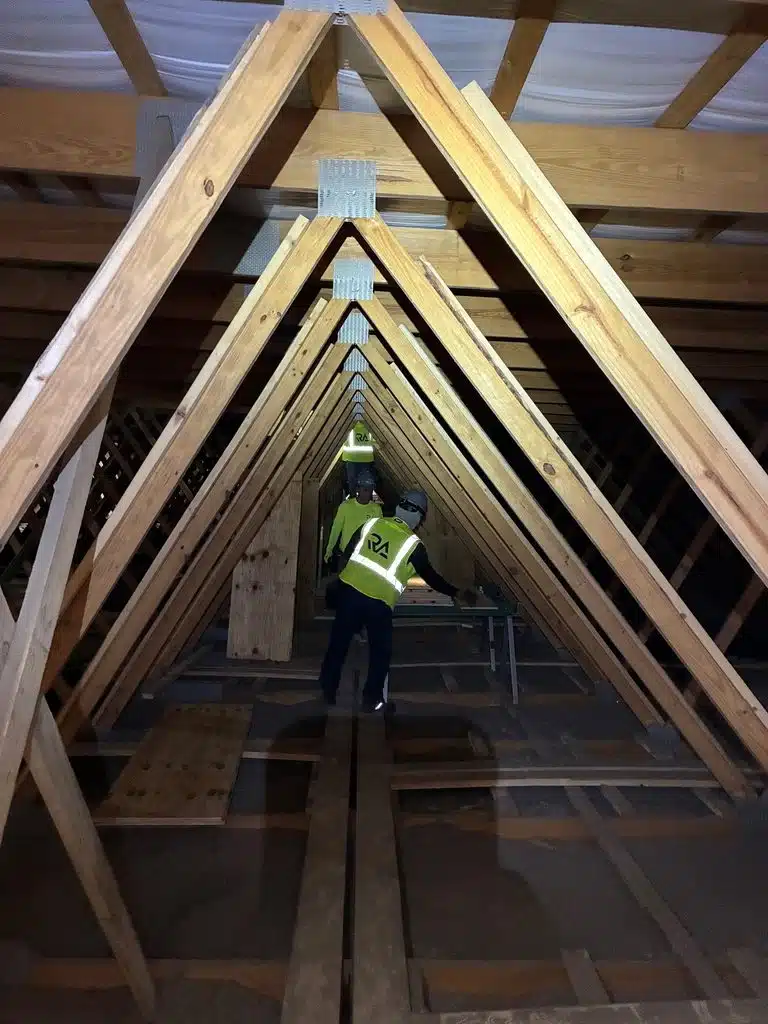
The Cost Comparison: New Construction vs. Deep Remodel
When assessing a facility, the industry rule of thumb is the 65%threshold: if the total cost of a comprehensive remodel exceeds 65% of the cost of a brand-new building, a new build is generally the more financially sound long-term asset.
Below is a typical cost breakdown for both scenarios on a standard 2,400-head footprint.
| Expense Category | Brand-New 2,400-Head Barn | Deep Remodel / Retrofit |
| Site Prep, Earthwork, & Utilities | $75,000 | $0 (Existing infrastructure) |
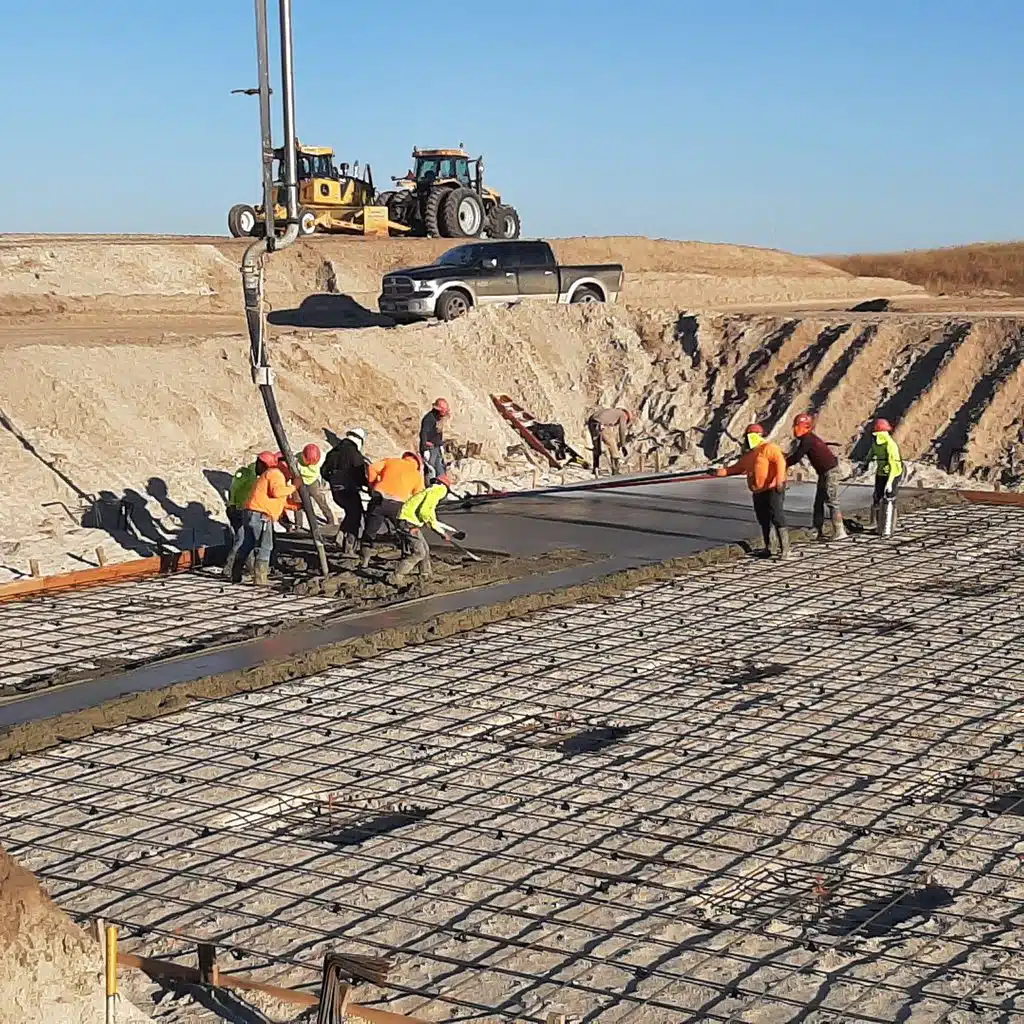
| Concrete Pit & Foundation | $225,000 | $0 (Assumes pit walls are structurally sound) |
| Concrete Slats (Full Replacement) | Included above | $85,000 |
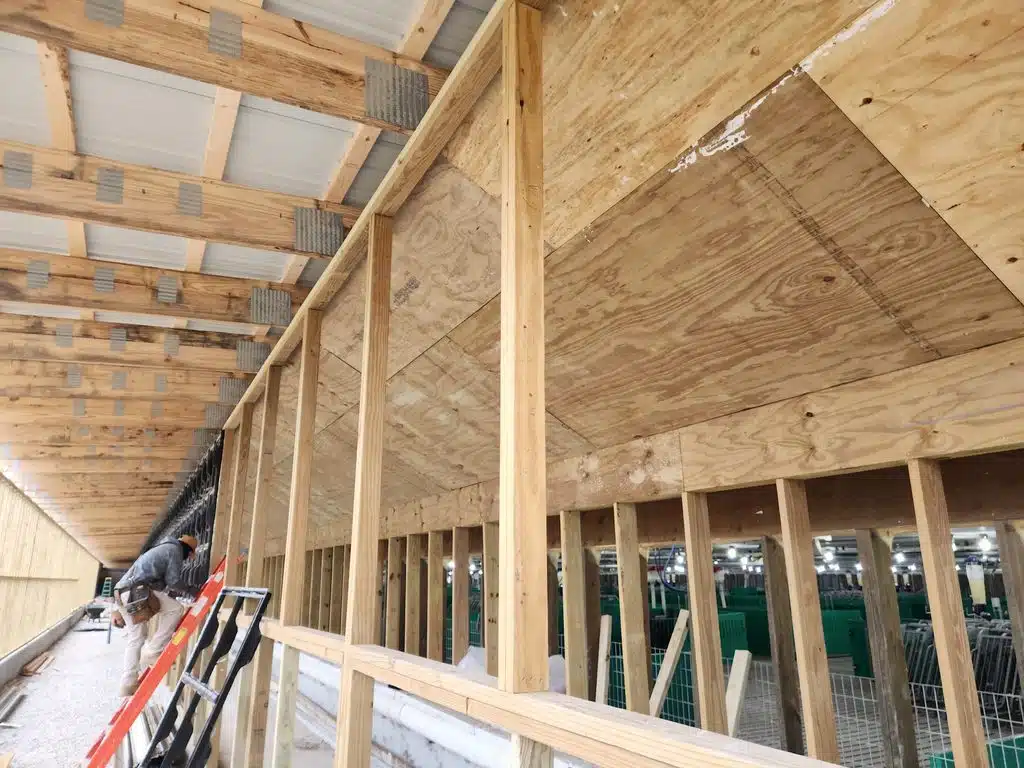
| Framing, Roof, Insulation, & Siding | $320,000 | $45,000 (Targeted repairs/siding) |
| Ventilation, Fans, & Controls | $110,000 | $95,000 (Complete modern upgrade) |
| Feeders, Wet/Dry Bins, & Feed Lines | $120,000 | $80,000 |
| Gating, Plumbing, & Medicators | $70,000 | $55,000 |
| Labor & Construction Management | $80,000 | $60,000 |
| Total Estimated Capital Expense | $1,000,000 | $420,000 |
Financed Cash Flow: A Look at the Monthly Ledger
The true test of a facility decision is how it impacts your monthly cash-flow ledger and your ability to hit equity targets. Assuming a standard agricultural loan with a 20% down payment and an 8.5% interest rate, the monthly obligation looks drastically different between the two options.
🏢 Scenario A: The New Build ($1,000,000)
- Loan Principal: $800,000
- Amortization Term: 15 Years
- Estimated Monthly Payment: $7,880 per month
- The Bottom Line: A brand-new barn creates a tight cash-flow window. While it secures a 30-to-40-year asset with peak efficiency, it leaves very little margin for error if contract rates fluctuate or unexpected operational expenses arise.
🛠️ Scenario B: The Deep Remodel ($420,000)
- Loan Principal: $336,000
- Amortization Term: 7 Years (Shorter terms are standard for equipment/remodels)
- Estimated Monthly Payment: $5,320 per month
- The Bottom Line: At $420,000, the remodel sits at 42% of the cost of a new build, well below the 65% danger zone. By choosing the retrofit, the producer saves roughly $2,560 every month in debt service and completely clears the debt ledger 8 years faster than a new build.
The Next-Gen Advantage:
Why New Producers Should Lean Toward a New Build
While a remodel offers clear cash-flow benefits for established operators with existing footprints, the math changes significantly if you are a newproducer looking to enter the swine industry. For young farmers or those diversifying their operations for the first time, starting with a blank canvas provides distinct structural and strategic advantages:
- Long-Term Contract Security: Large integrators and packing companies are highly protective of their supply chains. They are far more likely to offer long-term, guaranteed grower contracts (often 10 to 12 years) to a new producer building a state-of-the-art facility because it minimizes their risk of operational downtime or disease outbreaks.
- Easier Access to Financing: Securing agricultural loans as a new entity can be difficult. However, major lenders like the Farm Service Agency (FSA) favor new construction because it represents a clean, 30-to-40-year depreciable asset. New builds often qualify for specific young/beginning farmer loan programs with lower down payments and extended terms.
- Peak Biosecurity and Disease Prevention: The modern pork industry battles aggressive viral pressures like PRRS and PEDV. Building new allows you to engineer perfect biosecurityflow from the start, including modern shower-in/shower-out facilities, clean/dirty line separation, and strict filtration systems.
- Maximized Technological Efficiency: A new build allows for the seamless integration of predictive technology, positive-pressure ventilation, automated feed blending, and precise environment controllers, giving you peak feed conversion ratios (FCR) right out of the gate.
Hidden Line Items: Factoring in Opportunity Costs
Looking strictly at construction quotes doesn’t tell the full story. Producers must calculate the operational costs and biological efficiencies associated with each path.
- Days Out of Production: A new build takes months of site prep, concrete curing, and framing. A remodel can often be executed in a tight 4-to-6-week window between groups. Missing just one turn of pigs in a 2,400-head barn can cost a contract grower $20,000 to$30,000 in lost gross revenue.
- Feed Conversion & Weight Gains: Older barns with outdated ventilation layouts or worn-out feeders suffer from poor Feed Conversion Ratios (FCR). If an upgraded remodel or a new build improves FCR by just 0.10 points, it translates to thousands of dollars saved on feed costs per group.
Final Decision: Remodel vs. Rebuild?
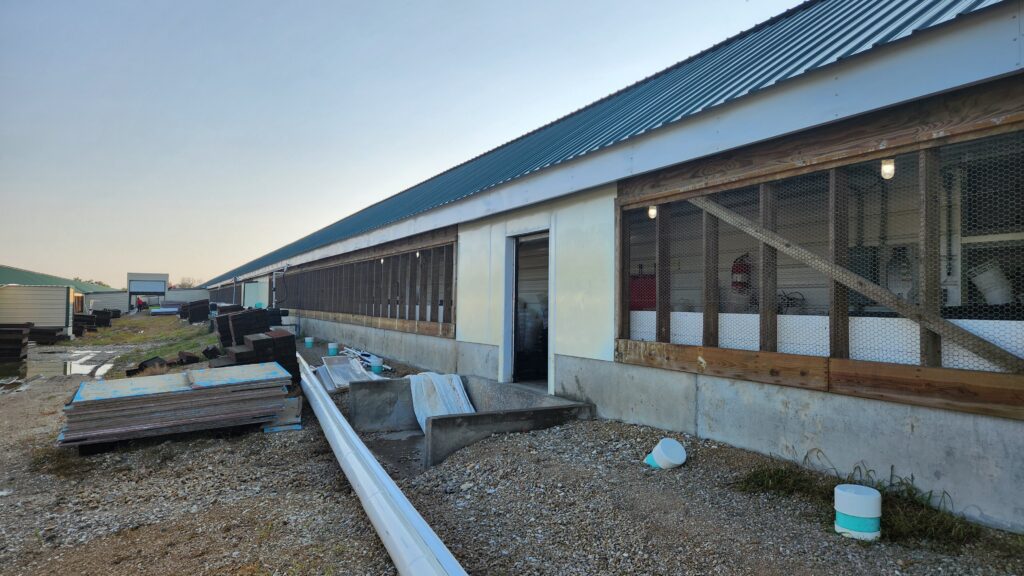
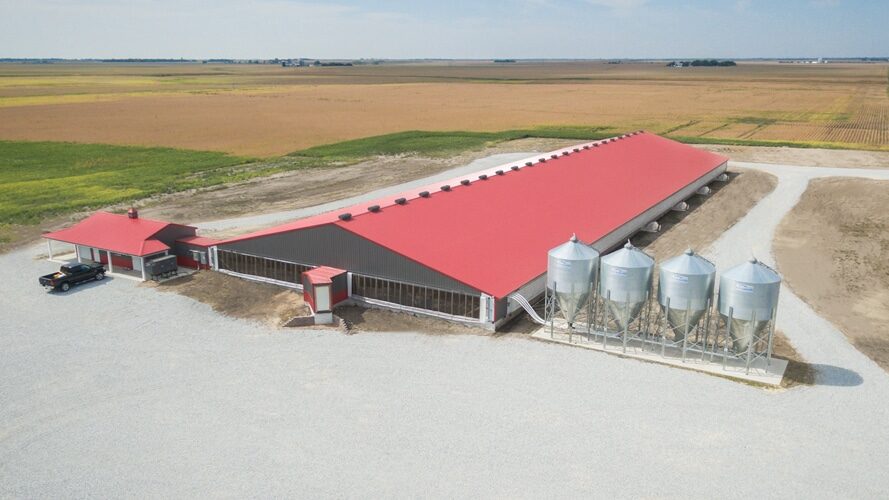
Making the right choice comes down to a structural audit of your existing asset. If your barn’s concrete pit walls are cracking, bowing, or leaking, the foundation is compromised, making a remodel a risky band-aid. In that scenario, building new is the correct path forward to anchor your business for the next 30 years.
However, if your foundation and pit are structurally sound, a deep retrofit allows you to buy a brand-new asset inside an old shell. By upgrading to modern wet/dry feeders, advanced controllers, and fresh concrete slats, you capture 95% of the biological efficiency of a brand-new barn atless than half the capital expense.
Ready to Navigate Your Next Facility Move?
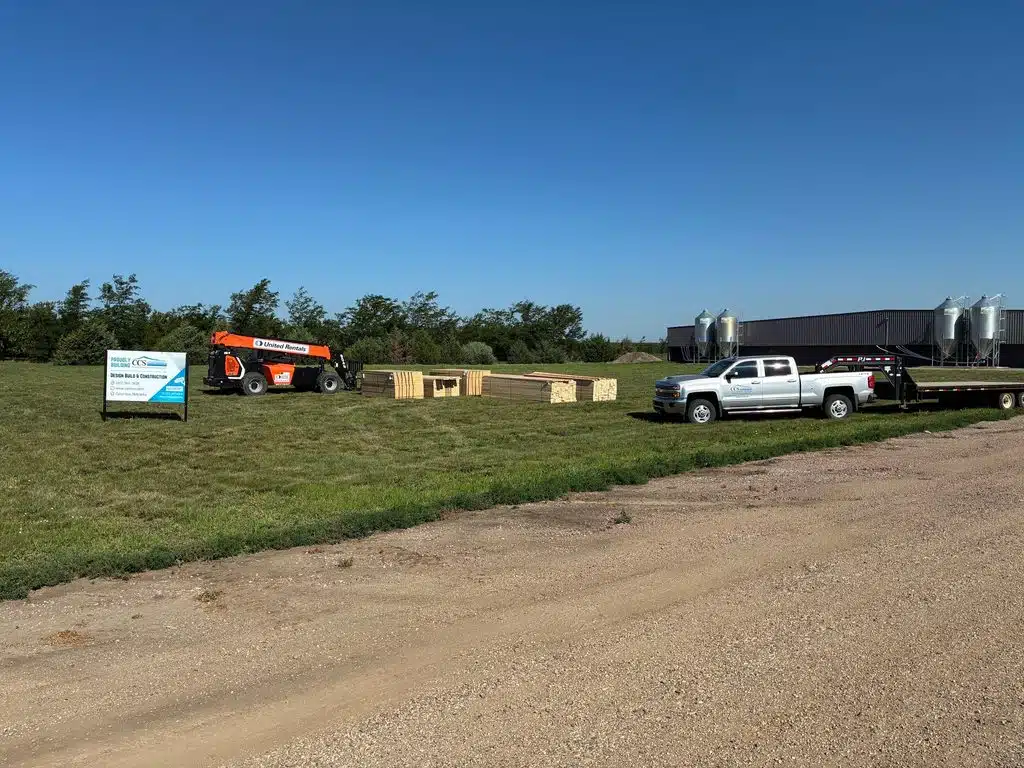
Whether you are looking to maximize the life of your existing footprint with a strategic retrofit or launch a state-of-the-art new build to secure your business for the next generation, you don’t have to run the numbers alone.
Contact the team at Central Confinement Service today to talk through your pork facility needs, schedule a structural audit, or get an exact quote tailored to your operation. Let’s build the future of pork production together!