By Central Confinement Service, LLC
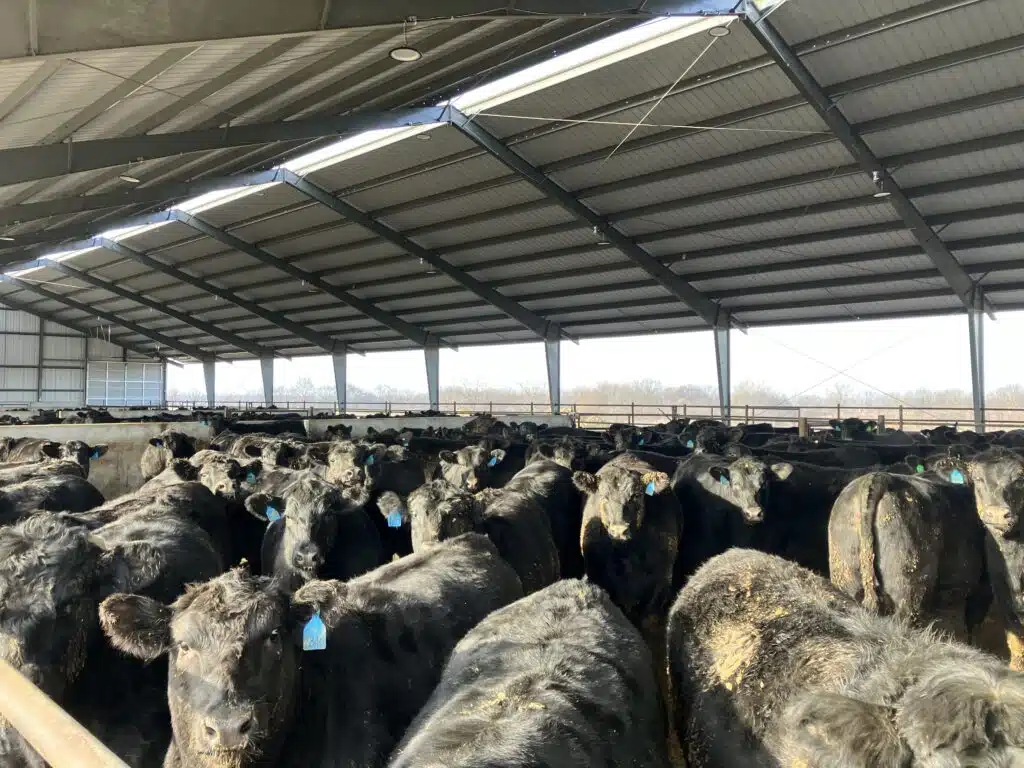
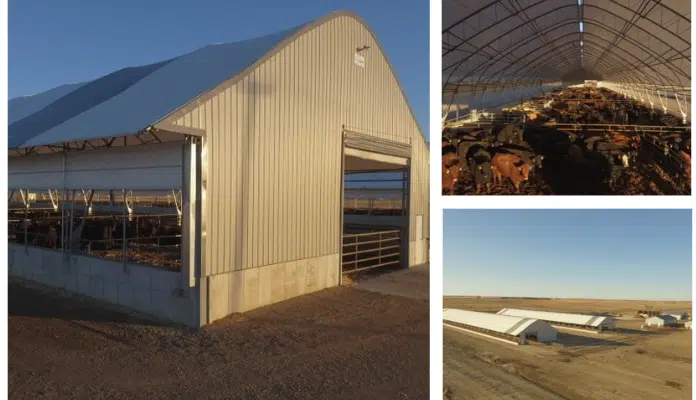
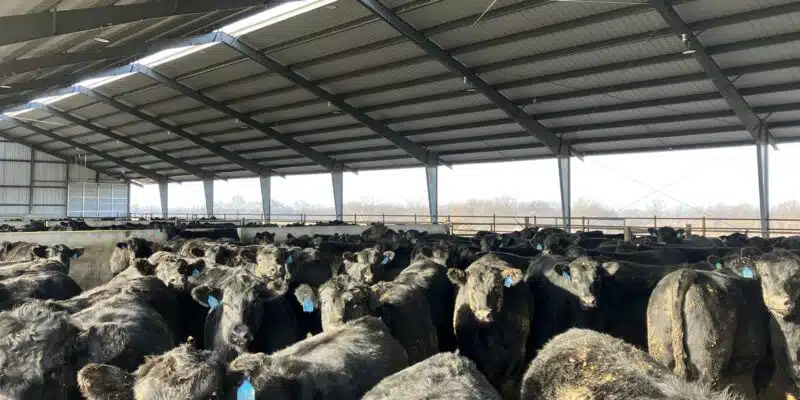
Confining cattle in a building rather than keeping them in an outdoor lot offers several Return on Investment (ROI) benefits primarily driven by; protection from extreme weather, improved feed conversion and weight gain, significantly increased manure value, greater health management, land optimization, and lower operational costs.
This article will take a closer look at the key benefits to; “Putting a Roof Over it.”
Protection from Extreme Weather
• Heat Stress Mitigation: During summer, cattle are susceptible to heat stress, which can cause decreased milk production, fertility issues, reduced feed intake, and in severe cases, death. Indoor facilities, significantly reduce the heat load, providing a more comfortable environment that keeps animals eating and productive.
• Protection from Cold and Wetness: In winter, keeping cattle dry is critical to health. A dry animal stays warmer because moisture reduces the insulating value of the hair coat. A facility offers protection from wind, rain, and snow, preventing the metabolic stress of extreme cold.
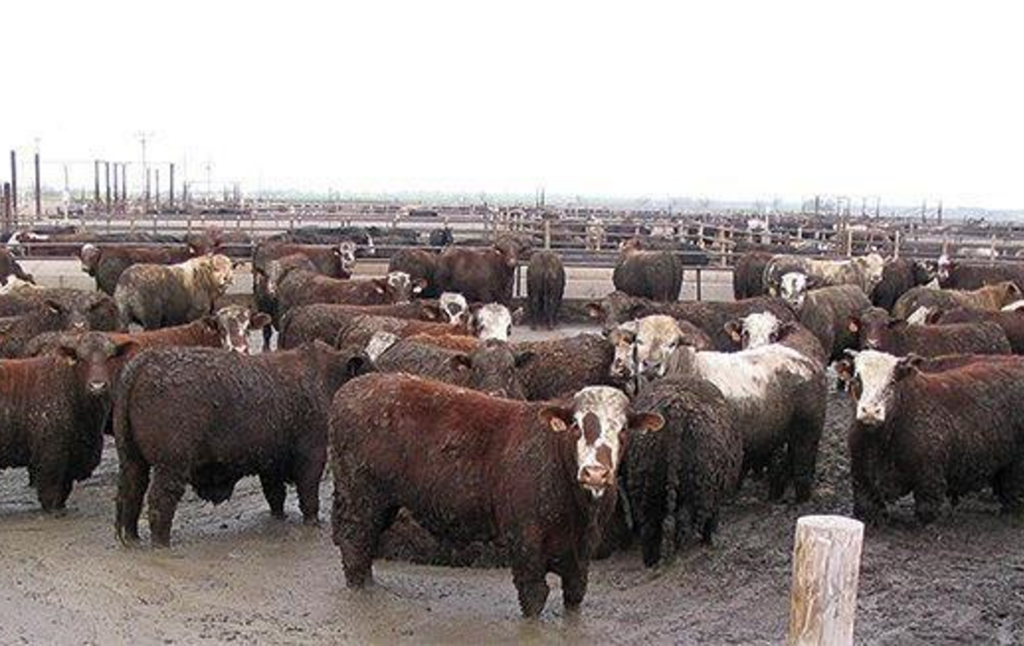
• Reduced Mud/Lameness: Muddy conditions in outdoor pastures can cause hoof and foot problems and lameness. Dry, covered housing with proper bedding helps keep legs and claws healthy.
Enhanced Feed Efficiency and Weight Gain
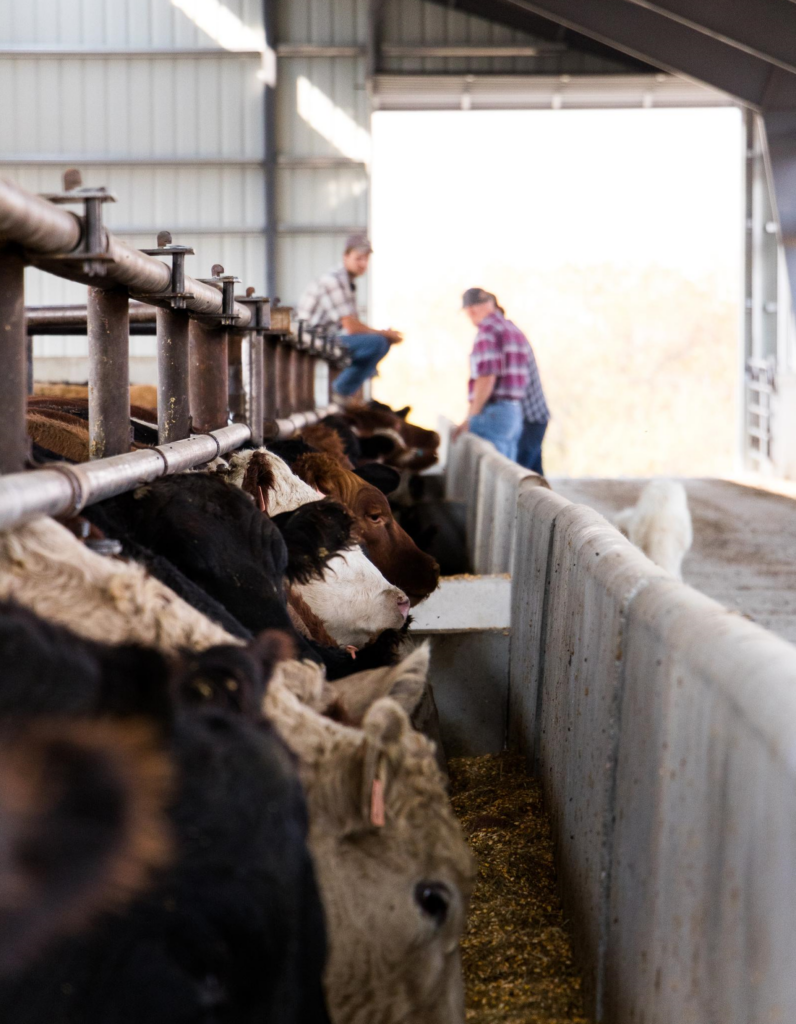
• Reduced Energy Requirements: Indoor cattle are protected from wind, snow, rain, and extreme temperature fluctuations. Because they are not burning energy to stay warm in winter or cool in summer, more feed is converted into weight gain rather than body maintenance.
• Consistent Gain: The controlled environment leads to a more consistent Average Daily Gain (ADG) and lower feed costs per pound to gain. In fact, cattle feed in a bedded confinement building had an ADG that was 4.6% higher than those fed in outdoor lots.
• Improved Feed Intake: Cattle in comfortable, dry conditions typically have better, more consistent feed intake, avoiding the slump in performance seen with cattle during wet, muddy conditions. Statistics show cattle in four to eight inches of mud can reduce gains by as much as 15%.
Significantly Increased Manure Value
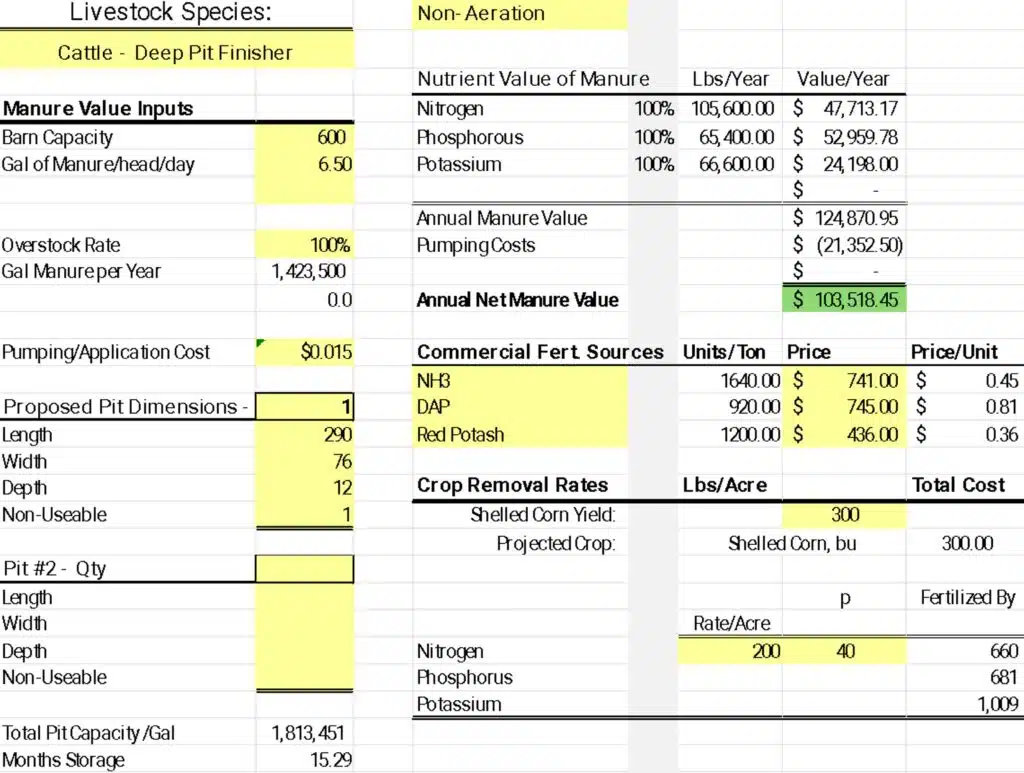
• Nutrient Retention: Manure in outdoor lots often suffers from nutrient runoff, leaching, and nitrogen loss (30% to 70%) to the atmosphere. Indoor facilities, particularly deep pits, capture higher nutrient levels (nitrogen, phosphorus, potassium).
• Increased Value: One estimate suggests manure value from a mono-slope barn can be over $170 per space/per year, compared to just $73 in an open lot.
• Lower Fertilizer Costs: Improved nutrient capture allows for more effective application, reducing the need of purchasing commercial fertilizer for crop land.
Greater Health Management
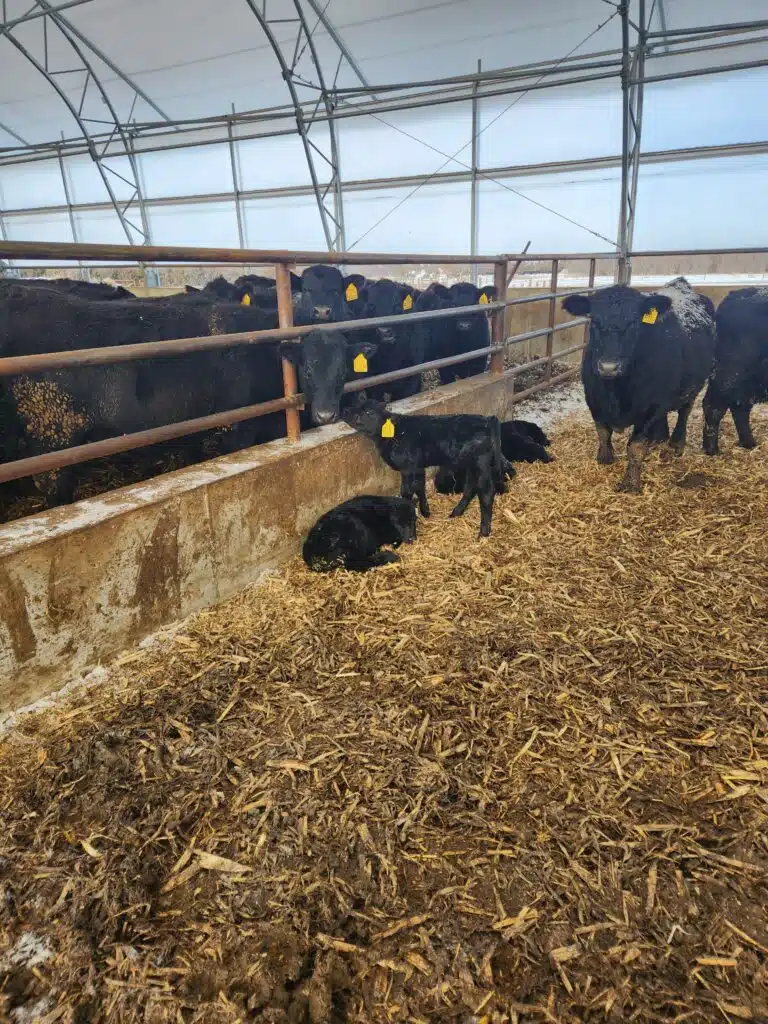
• Ventilation and Airflow: Proper air exchange reduces heat stress and respiratory illness, improves animal comfort, and enhances feed intake.
• Reduced External/Internal Parasites: Confined, clean housing reduces exposure to external pests, such as flies and biting insects, and helps control internal parasites that thrive in grazing environments.
• Easier Health Monitoring: In a controlled environment producers are able to monitor their daily operations for signs of sickness or injury, enabling faster intervention and treatment.
Land Optimization
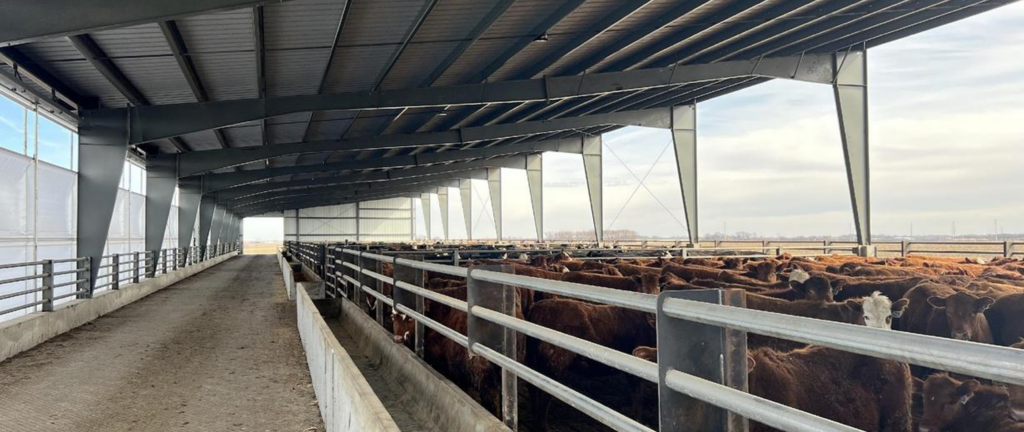
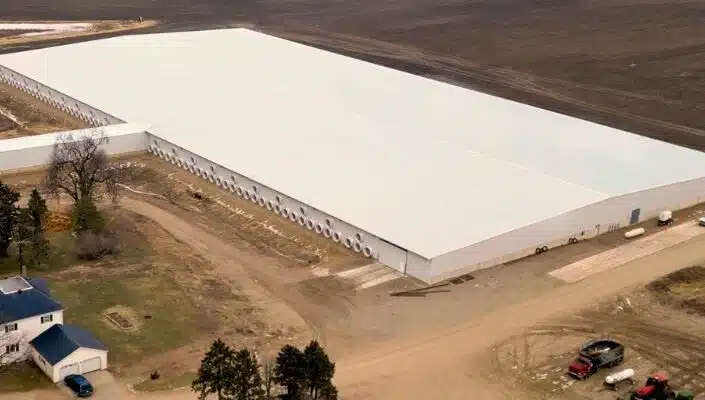
• Smaller Footprint: Confinement buildings require a much smaller land area for expansion compared to open lots, preserving more acres for crops.
• Increased Throughput: Higher stocking rates are possible, allowing for more cattle to be finished in a smaller footprint.
• Flexible Marketing: The consistent performance allows for better, more predictable timing in reaching market weight.
Lower Operational Costs
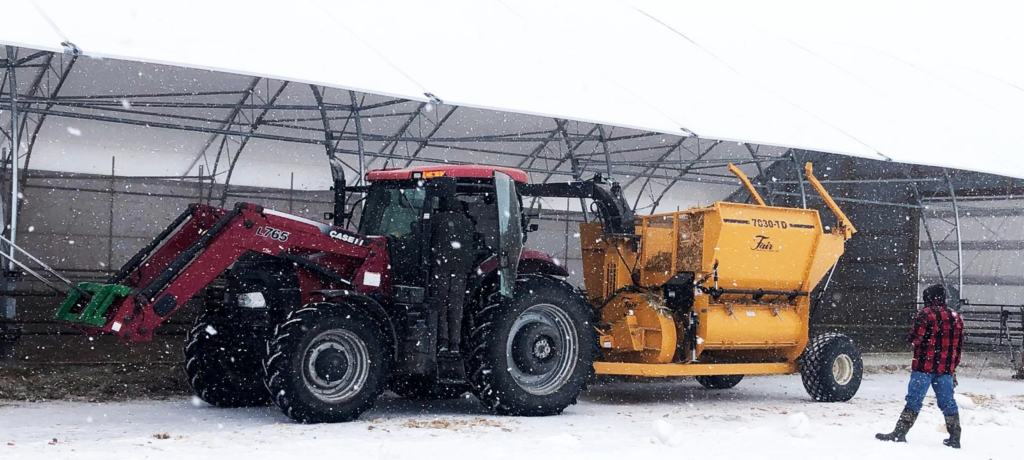
• Reduced Time Management: While, in some scenarios, it is more hands-on, well-designed barns can reduce daily labor (e.g., 50% less time in slatted systems).
• Reduced Equipment Usage: Confinement systems, especially deep-pit, can eliminate the need for daily scraping of alleys and, in some cases, reduce the cost and labor associated with bedding.
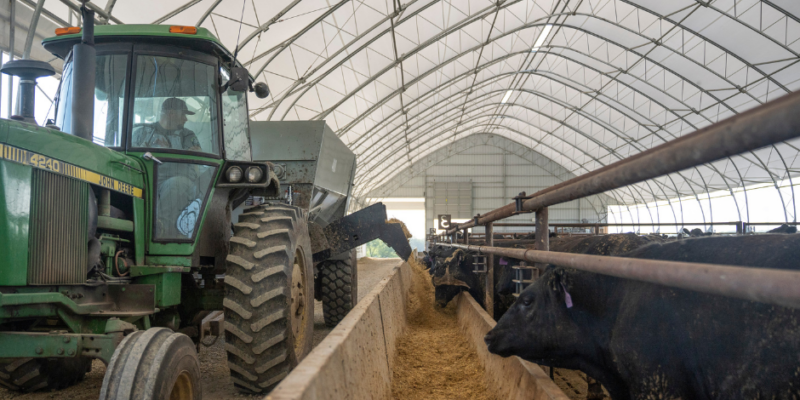
• Easier Handling: Cattle are generally easier to handle and feed in facilities, which improves management efficiency, i.e. time and cost.
Summary Table: Indoor vs. Outdoor Health Factors
| Feature | Indoor Facility Advantages |
| Climate | Protection from heat, sun, rain, wind, and cold |
| Ground | Dry bedding; reduced mud and foot/hoof (lameness) issues |
| Health Risks | Lower exposure to pests, parasites and predators |
| Diet | Consistent, controlled, and balanced nutrition |
| Management | Easier, more frequent, and efficient health monitoring |
Conclusion
The decision to build a facility is a shift from risk management to profit maximization. Outside, cattle spend valuable energy battling cold, mud, or heat stress, which all reduce feeding efficiency.
Inside, you gain control over feeding and health issues while creating a safer, drier and more comfortable environment for you herd. These factors translate into a higher ADG and in turn,
a faster ROI.
Furthermore, the ability to capture valuable nutrients through controlled manure management turns a waste product into a significant ROI contributor.
Transitioning to a housed system is a long-term investment that provides the control and stability necessary for a modern, high-performance cattle operation.
At Central Confinement Service, LLC, each design we offer comes with its own set of features and benefits, tailored to improve cattle comfort, durability, ease of maintenance, and labor efficiency.
Our buildings are designed to support the health and productivity of your herd, ensuring that you get the gains you’re looking for in your operation, and bottom line.
What else would you like to know? Just, fill out the form below or give us a call at
(402) 563-6041 and put our 40 years of industry leading experience to work for you!